
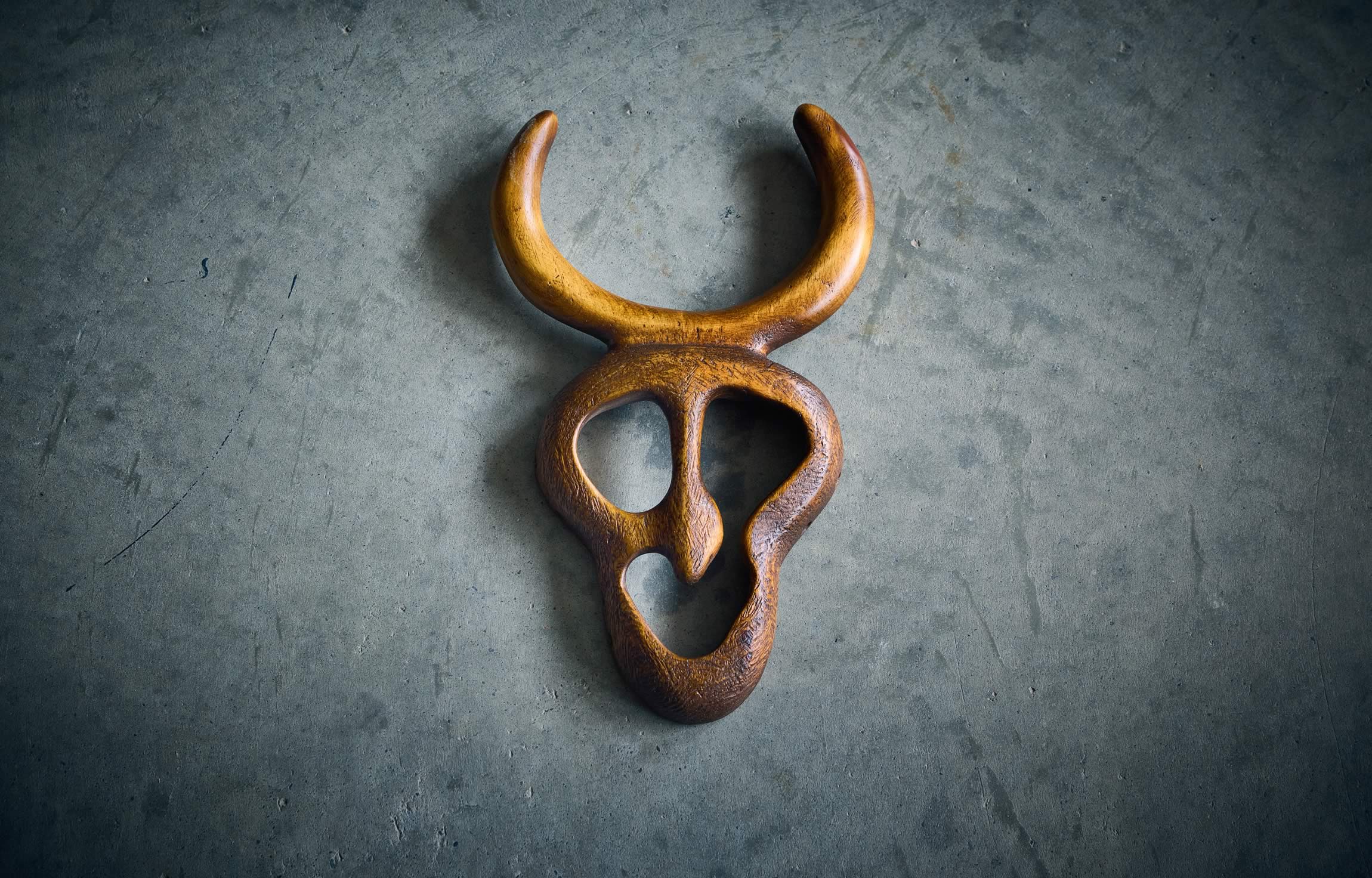
Masks of the Bacchae
Masks
2500 years ago, in ancient Greece, Euripides wrote a play about a king, whose rigid rules and xenophobic tendencies eventually led to his tragic death.
The Bacchae was written for an annual festival and performed at the Theatre of Dionysus on the slopes of the Acropolis in Athens.
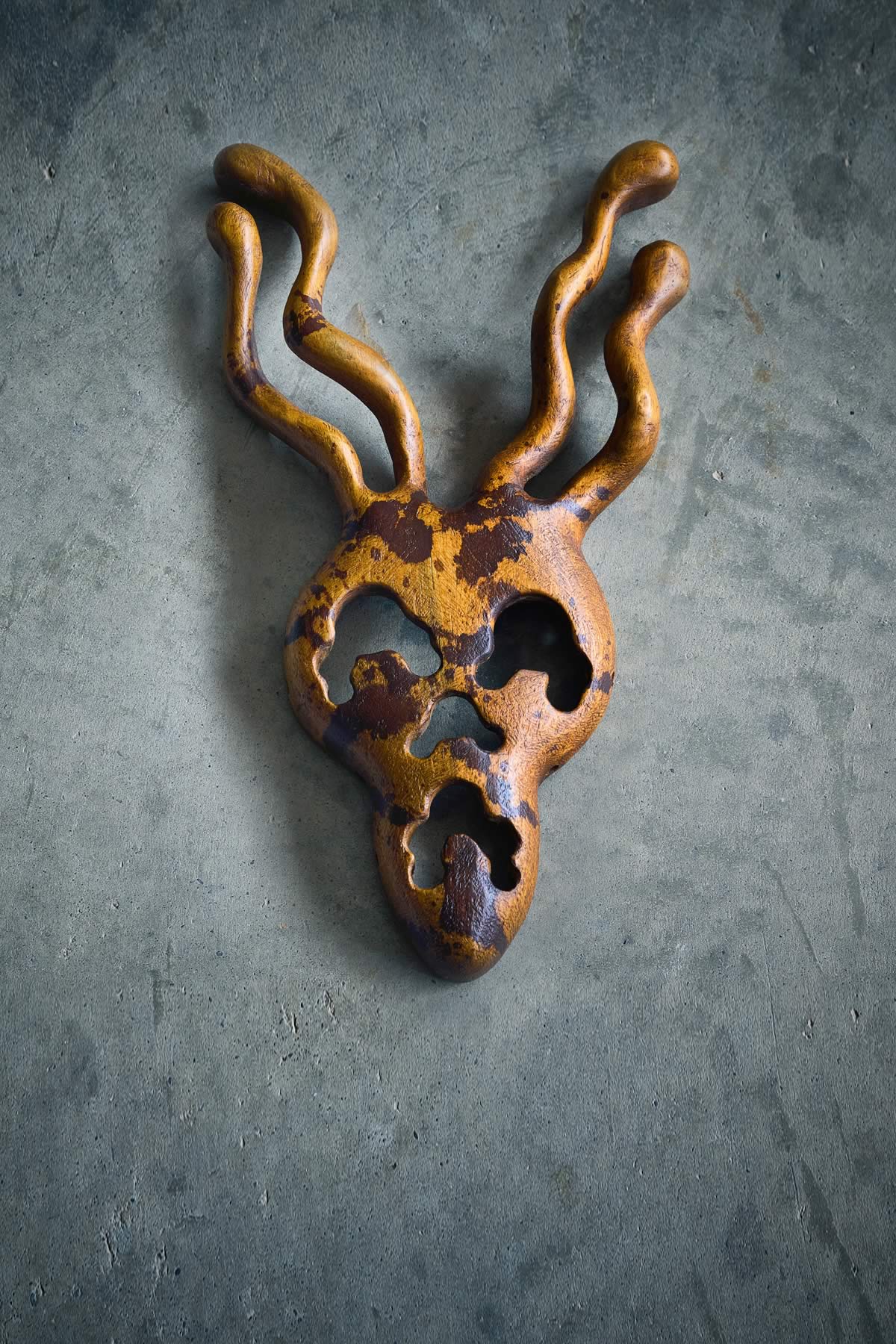
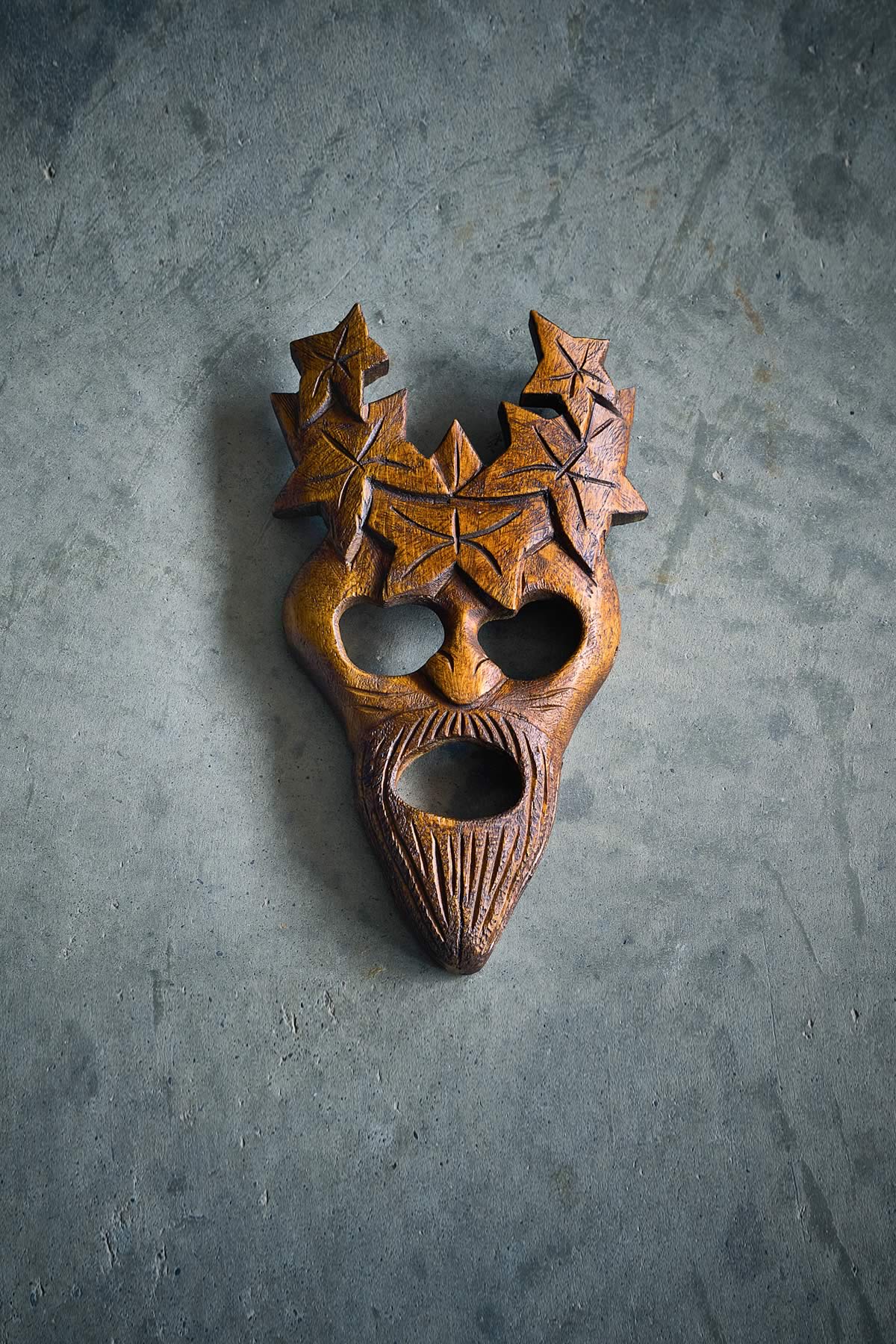
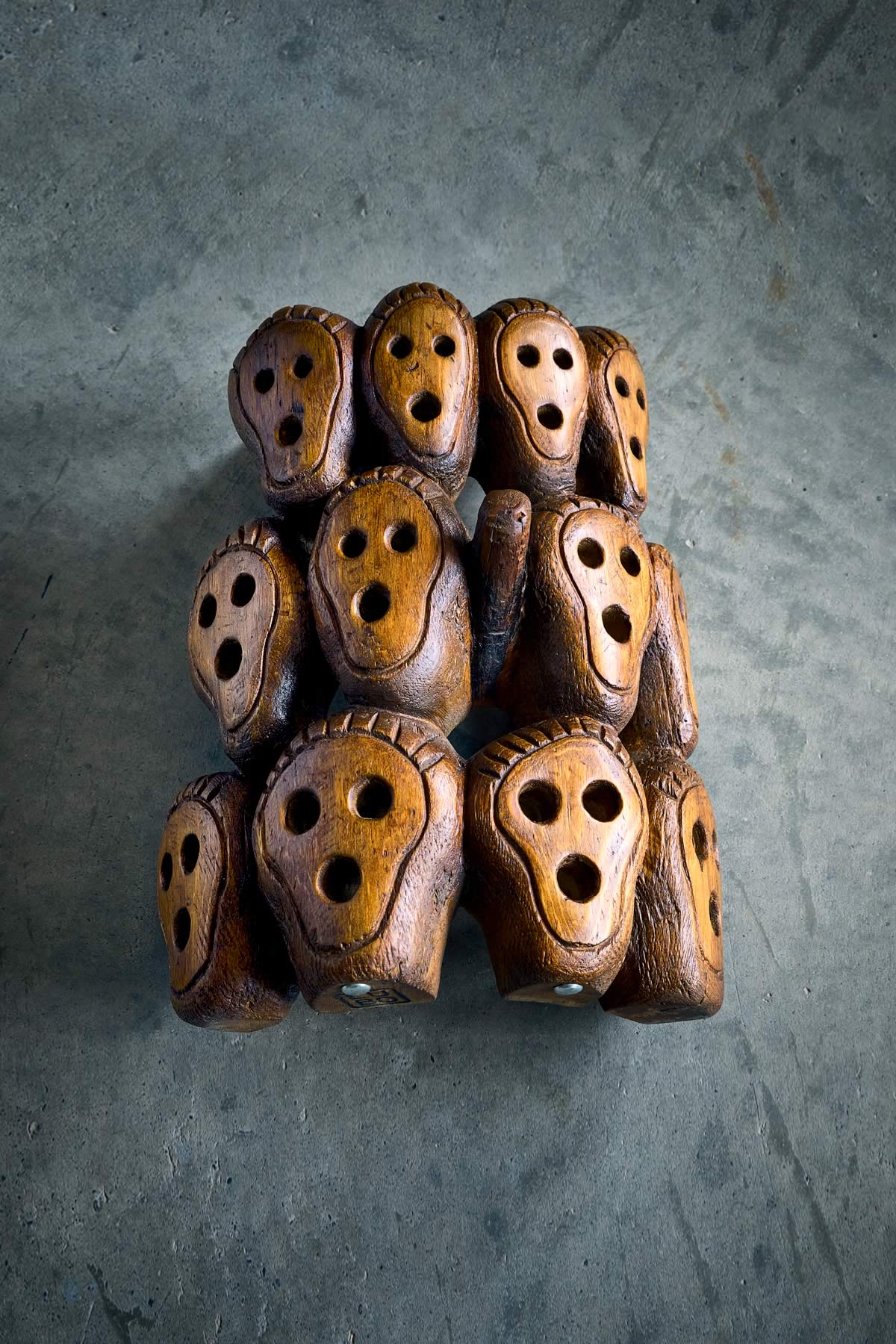
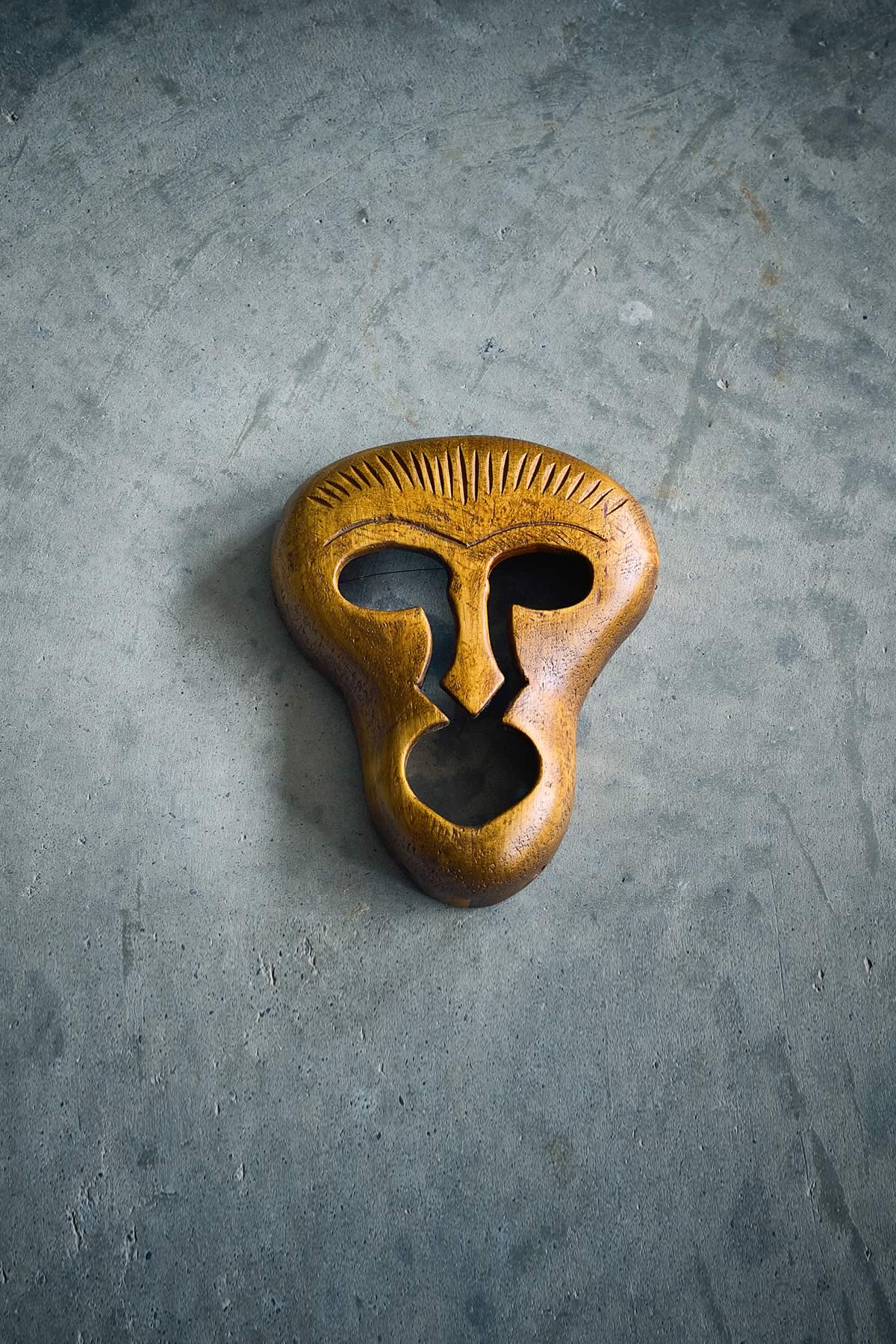
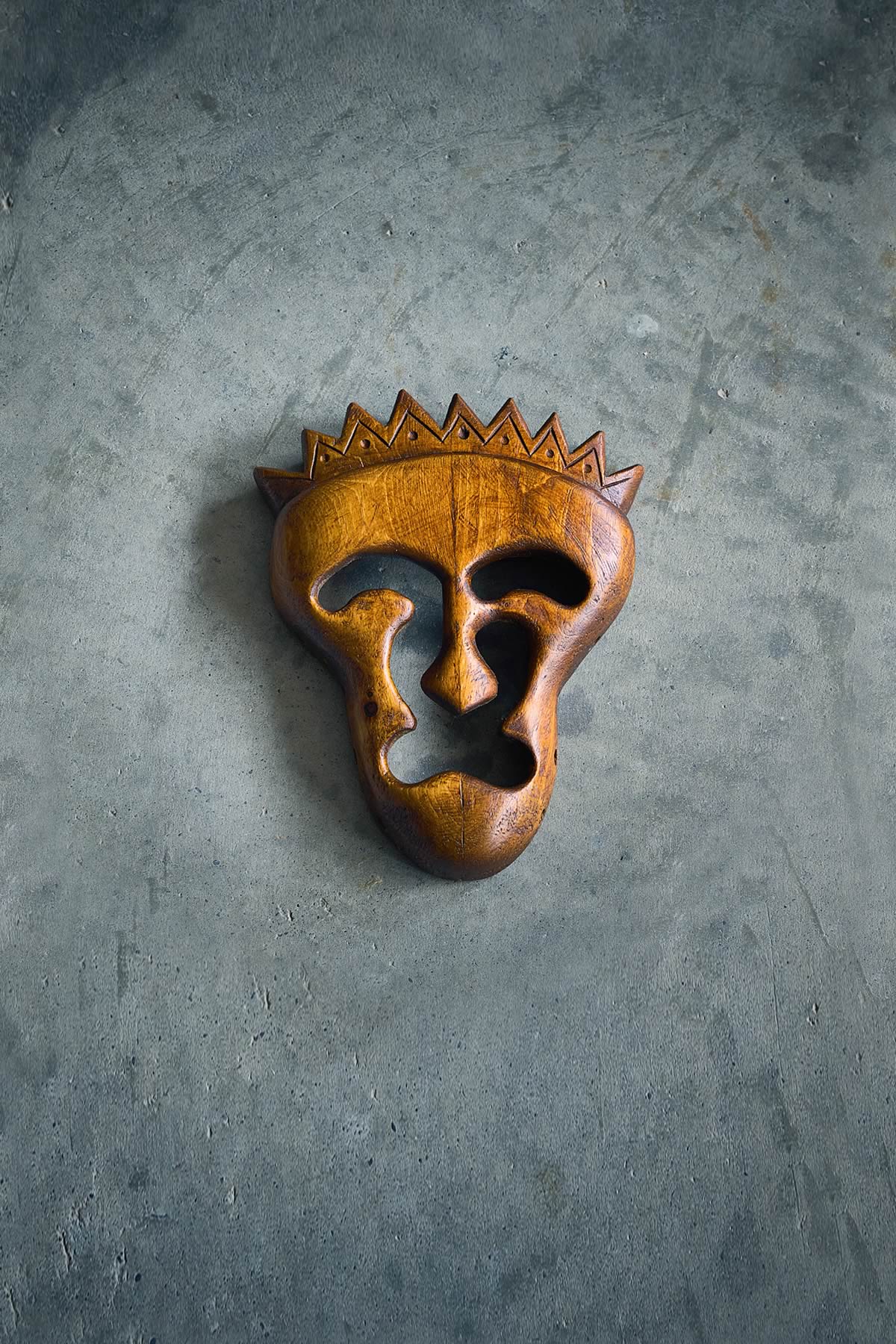
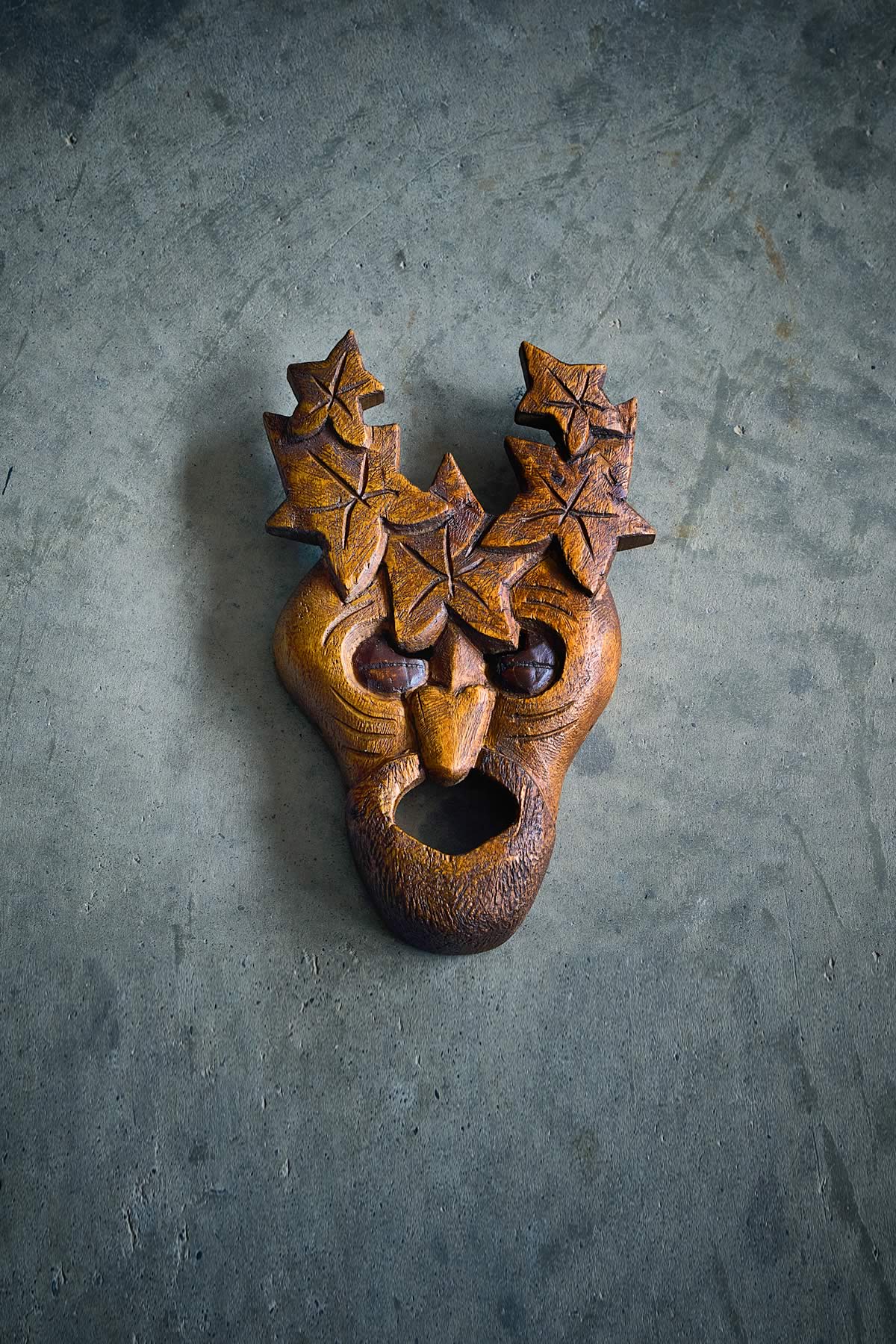
In furthering my understanding of the mask, ancient Greek theatre is a good place to explore, as all plays, tragedies and comedies, were performed by masked actors. Unfortunately, no masks from that period have survived. These masks are strictly my interpretation.
Keeping in mind that there was no sound amplification, the mouth of the mask had to be large enough to allow the actor to project his voice to the farthest row of seats. Similarly, bold facial expression was more important than excessive detail. Finally, the mask had to be light enough to be worn comfortably by the actor.
Whether ancient or contemporary, a great mask has the power to capture and transport the audience to a place of magic and wonder. The masks of the Bacchae do just that, if only for a brief moment.

Showcase
1659 Dundas Street W
Toronto, ON M6K 1V2
Studio
107 – 1024 Dupont Street
Toronto, ON M6H 1Z6